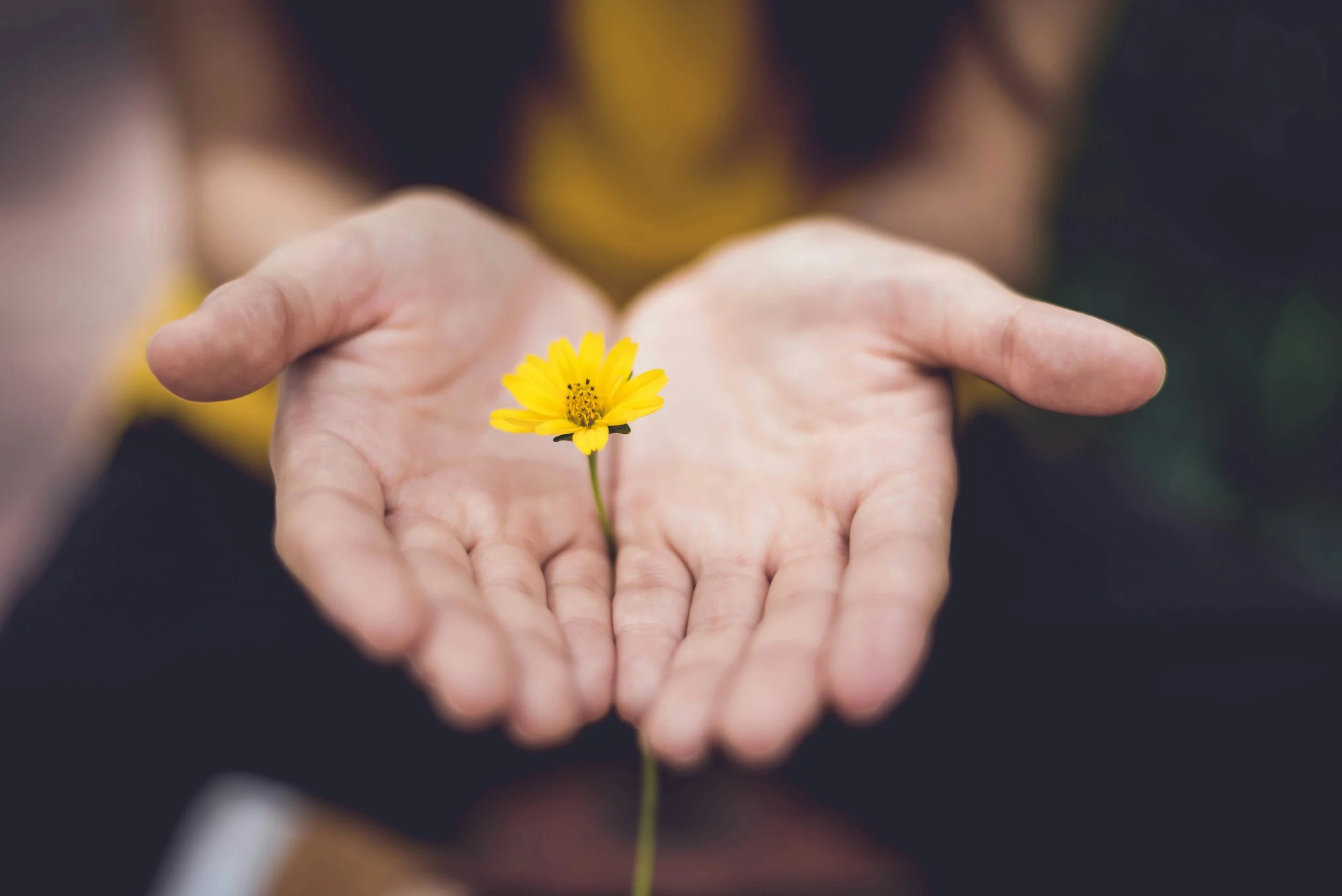
We live in a world where being busy has become normal, stress is expected, and slowing down feels nearly impossible. We’re encouraged to push through exhaustion, make the most money while we can, and keep going even when our bodies are telling us otherwise. We convince ourselves that we will finally relax when everything on our to-do list is finished, and that slowing down now would somehow be a waste of time.
But for many of us, that to-do list is never ending. Our bodies quietly signal that something needs to change, yet we continue to push forward. Sometimes we find ourselves overwhelmed, anxious, and emotionally exhausted, but even then, we convince ourselves that what we are experiencing is normal. It feels normal because chances are, we know plenty of people that feel exactly the same way.
But what if there was another way? What if we allowed ourselves to intentionally create space to do absolutely nothing? No expectations, no responsibilities, and no pressure to accomplish anything, even if just for an hour.
For many people, Reiki is a doorway to offer our bodies exactly that. It allows our bodies to slow down enough to give our nervous system a break. Although this Japanese energy healing practice has been around for generations, it’s finding a place in modern wellness routines as people crave a way to manage stress, reconnect with themselves, and support their overall well-being.
While Reiki is often associated with relaxation, the experience can feel much more meaningful than simply lying down and resting for an hour. Although, if that was the only benefit someone received from their Reiki session, I would still consider it time well spent.
What is Reiki?
Reiki is a Japanese energy healing practice based on the idea that universal life force energy exists all around us and within us. The word Reiki is commonly broken down into two parts: Rei, referring to universal or spiritual, and Ki, meaning life energy. Reiki practitioners work with this energy to support balance and well-being.
We are constantly surrounded by energies that cause inflammation and stress. When we experience prolonged stress, our bodies can respond with muscle tension, fatigue, difficulty sleeping, and heightened anxiety. Over time, we may be so accustomed to these sensations that we barely recognize how much tension we are carrying.
Within Reiki traditions, Reiki practitioners work with the idea that energy can become stagnant or imbalanced. Whether scientifically proven or not, many people find that Reiki sessions provide a calming environment in which they can become more aware of their bodies and begin to relax.
I was trained in traditional Usui Reiki, a system developed by Mikao Usui in Japan in 1922. Usui was a spiritual seeker who studied meditation and Buddhist teachings. According to traditional accounts, he traveled to Mount Kurama, where he spent 21 days fasting and meditating. During that time, he experienced a profound awakening that became the foundation for his Reiki practice. He later began teaching his methods to others, and over time, Usui Reiki spread throughout the world.
What Happens During A Reiki Session?
A Reiki session often begins with setting an intention. The practitioner may ask if there is anything specific you would like to welcome into your life or something you feel ready to release. For example, someone might set an intention to develop greater confidence to confront a particular situation while releasing the fear surrounding it. Others may simply ask to let go of what is no longer serving them and welcome whatever supports their highest good. There is no right or wrong intention, and you don’t need to have one at all.
During the session, you remain fully clothed and typically lie comfortably on a massage table. The practitioner may gently place their hands on different areas of your body or hover their hands just above you. Reiki is not a massage, and there is no muscle manipulation involved. If you prefer not to be touched, the entire session can be performed without physical contact. Some practitioners also offer distance Reiki sessions, which are performed remotely.
Every practitioner’s technique can vary. In my sessions, I incorporate additional techniques alongside traditional Reiki hand placements. I begin by assessing the seven primary chakras and take note of anything I intuitively observe. Throughout the session, I may use gentle touch, sweeping hand movements, crystals placed on the body, and sound through tuning forks or chimes. I typically start near the head and slowly move toward the feet, allowing the session to unfold intuitively.
At the end of the session, I close with an intention of love and light and discuss anything I noticed during the session.
Because I don’t experience mental imagery, much of what I share comes through physical sensations or intuitive impressions. Other practitioners may describe seeing colors, images, or other symbolic experiences. These observations are subjective and vary widely among practitioners. While some Reiki practitioners also offer intuitive or psychic readings, those are separate practices and are not a standard part of Reiki training.
What Does Reiki Feel Like?
Everyone’s experience with Reiki is different, and even the same person may have a completely different experience from one session to the next.
Some people say they feel warmth or tingling throughout their bodies. Others describe seeing colors, experiencing an emotional release, or entering a state of deep relaxation. Some people fall asleep, while others remain awake but feel unusually peaceful. There are also people who don’t experience anything particularly noteworthy during a session but in the hours or days after the session, they notice they feel calmer, more rested, or emotionally lighter.
And sometimes, a person simply enjoys an hour of uninterrupted quiet.
This is no specific sensation you should expect, and you don’t need to experience something extraordinary for the session to be meaningful.
The Benefits of Reiki: What I’ve Experienced
When people talk about the benefits of Reiki, relaxation and stress reduction are usually the first things mentioned. Those are certainly important but my own experience has gone well beyond feeling relaxed during a session.
Over time, I’ve noticed a change in how I process emotions, respond to stressful situations, and experience everyday life. Some of these changes have been subtle, while others have become more noticeable as I’ve continued to receive and practice Reiki.
Processing Emotions Instead of Suppressing Them
One of the most meaningful changes I’ve experienced through Reiki has been my ability to connect with my emotions. For a long time, I had felt emotionally disconnected and numb. I was functioning, meeting responsibilities, and moving through life, but there was a numbness beneath the surface that I had grown accustomed to through years of pushing through burnout. Through Reiki, I began to feel a wider range of emotions again and became more comfortable acknowledging what I was feeling instead of pushing it aside.
Experiencing More Joy and Emotional Balance
Something else I’ve noticed is that I genuinely feel happier. Not because everything in my life suddenly became easier, but because I didn’t seem to carry the emotional weight of all my lived experiences the way I once did. Things still bother me. I still experience frustration, disappointment, and stress. The difference is that those feelings don’t linger the way they used to. Situations that might have occupied my thoughts for days or even months are easier to move past. When I’m not holding onto those feelings, there is more room for happiness, excitement, and joy.
Feeling More Present, Relaxed, and Energized
Relaxation and presence are some of the greatest benefits I received from Reiki. I had attempted many modalities in the past to relax and destress, but something about Reiki felt different from any of my usual attempts to unwind. Over time, I also noticed improvements in my sleep, overall energy levels, and even noticed I was able to meditate longer.
What I find interesting is that feeling more relaxed hasn’t meant feeling less energized. In fact, I’ve experienced the opposite. As I’ve become better at slowing down, I’ve also felt more capable of engaging with life and, ironically, getting more things done.
Reconnecting With My Intuition
For much of my life, I was accustomed to analyzing situations, questioning decisions, and looking outside myself for reassurance. With so much mental noise, it wasn’t easy to recognize what I actually wanted or needed. Through Reiki and other practices that encourage stillness and mindfulness, I’ve become more comfortable listening to myself.
I don’t mean hearing an actual voice. For me, intuition often feels like a knowing, a sense of clarity that becomes easier to recognize when I’m not constantly distracted. I believe Reiki has played an important role in helping me develop that connection.
Everyone’s Experience with Reiki is Different
For me, the value of Reiki has been less about any single experience during a session and more how it has changed the way I experience everyday life. These are the changes I’ve personally associated with my Reiki journey, but that doesn’t mean everyone will experience the same benefits. My journey has also included meditation, self-reflection, and the embodiment of other mindful living practices for my well-being, so I can’t attribute every improvement to Reiki alone.
You Don’t Have to Be Spiritual to Experience Reiki
Reiki is not a religion, and you do not need to follow a particular belief system to experience a session. In fact, you don’t even have to believe in energy healing to find value in the experience.
Skepticism is welcome, and many people, including myself, approached their first Reiki session with curiosity mixed with uncertainty. For those who haven’t been exposed to energy healing practices, the concept may even be a little difficult to believe. But you don’t have to understand or accept every aspect of Reiki’s traditional philosophy to appreciate an opportunity for relaxation and reflection.
While Reiki is not a replacement for medical care or therapy, some people find incorporating Reiki alongside their existing treatments to be complementary and supportive to their care.
We often find that taking time for ourselves has to be justified by productivity, earned through hard work, or reserved only for vacations. Rest becomes something we promise to ourselves whenever we have time to get around to it.
Reiki offers an opportunity to step away from those expectations, become present, and allow ourselves to simply be. In a world that constantly asks us to do more, perhaps giving ourselves permission to do less is a meaningful place to begin.
General Information Disclaimer: Reiki is a complementary energy modality intended to support relaxation and well-being. It is not a substitute for professional medical advice, diagnosis, or treatment.